Renal Unit Community Outreach Promoting Kidney Health

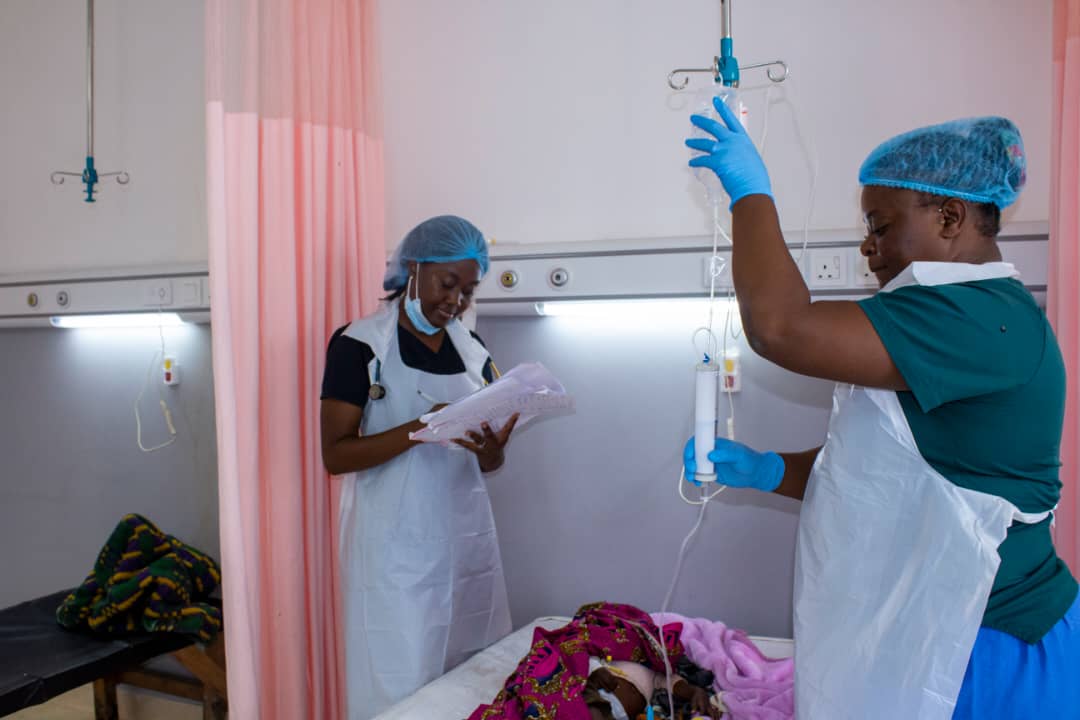
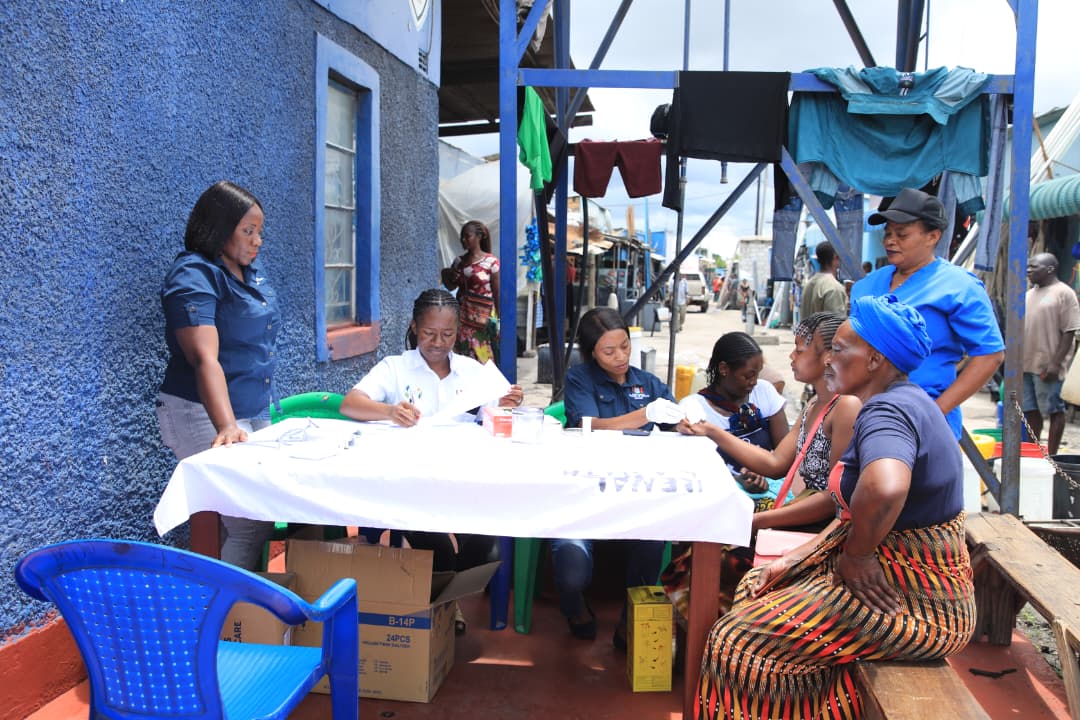
The Renal Unit at Levy Mwanawasa University Teaching Hospital (LMUTH) is conducting a community outreach and sensitization program focused on Kidney Failure, Kidney Diseases, Early Detection, and Management.
‎As part of our commitment to bringing quality healthcare closer to the people, our team is currently at Mutendere Market (Marketeers CO-OP Offices) providing the following free services:

‎✅ Health education on kidney disease
‎✅ Awareness on risk factors and prevention
‎✅ Early detection strategies
‎✅ On-the-spot Urinalysis
‎✅ Blood Pressure (BP) checks
‎✅ Blood Sugar testing

‎Many kidney conditions develop silently, with little or no symptoms in the early stages. Early screening plays a critical role in preventing complications and improving health outcomes.
‎We encourage all community members to take advantage of this free opportunity to know their kidney health status.


‎Your health matters. Early detection saves lives.
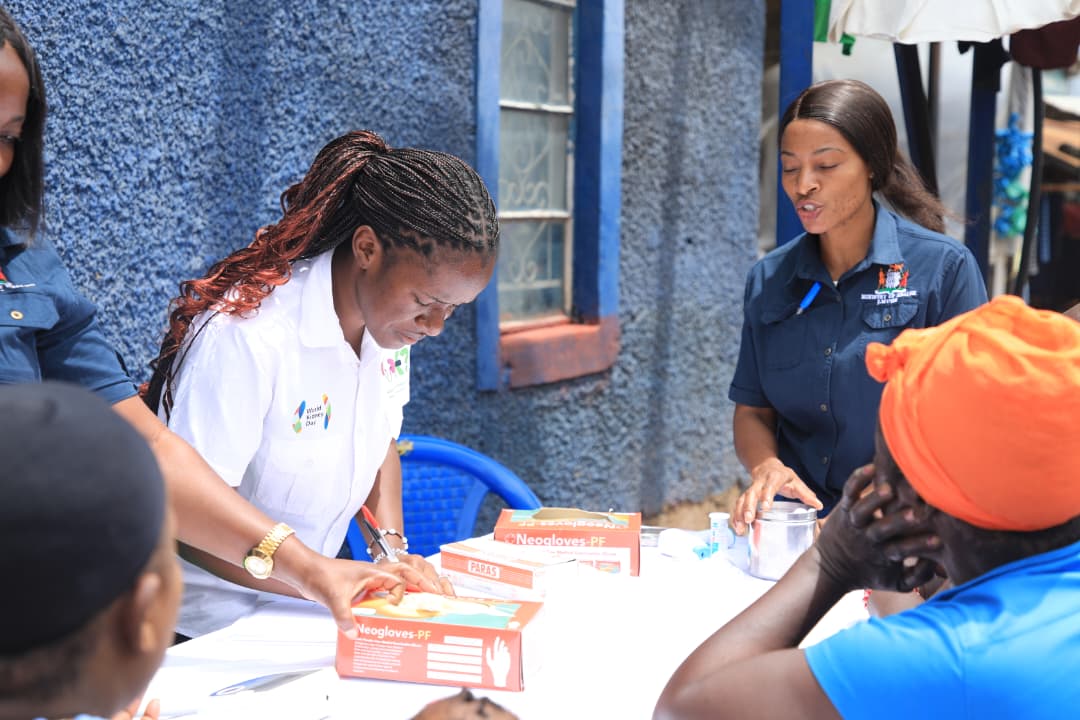
Photo Gallery

CHOLERA ALERT

Cholera is an infectious disease that is caused by drinking untreated water. This disease is usually common in the rain season due to contamination of water sources as a result of poor hygiene, sanitation and high water table in certain areas. The aforementioned will favor the spread of the outbreak of infectious and communicable disease such as cholera, Typhoid and Dysentery as well as Malaria in certain places. 

To future arrest the transmission of cholera, Ministry of Health and partners continue to undertake the following interventions. 

  • Intensified case management and surveillance of cholera cases. 
  • Active social mobilization and sensitization of communities on cholera and its prevention and control measures.

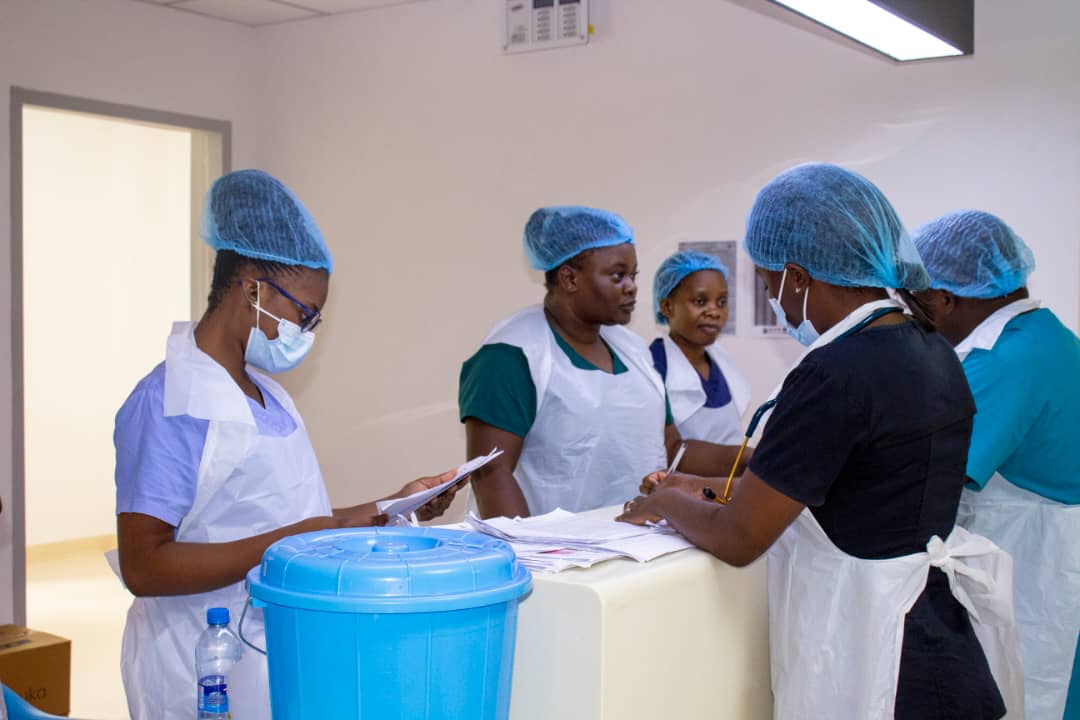
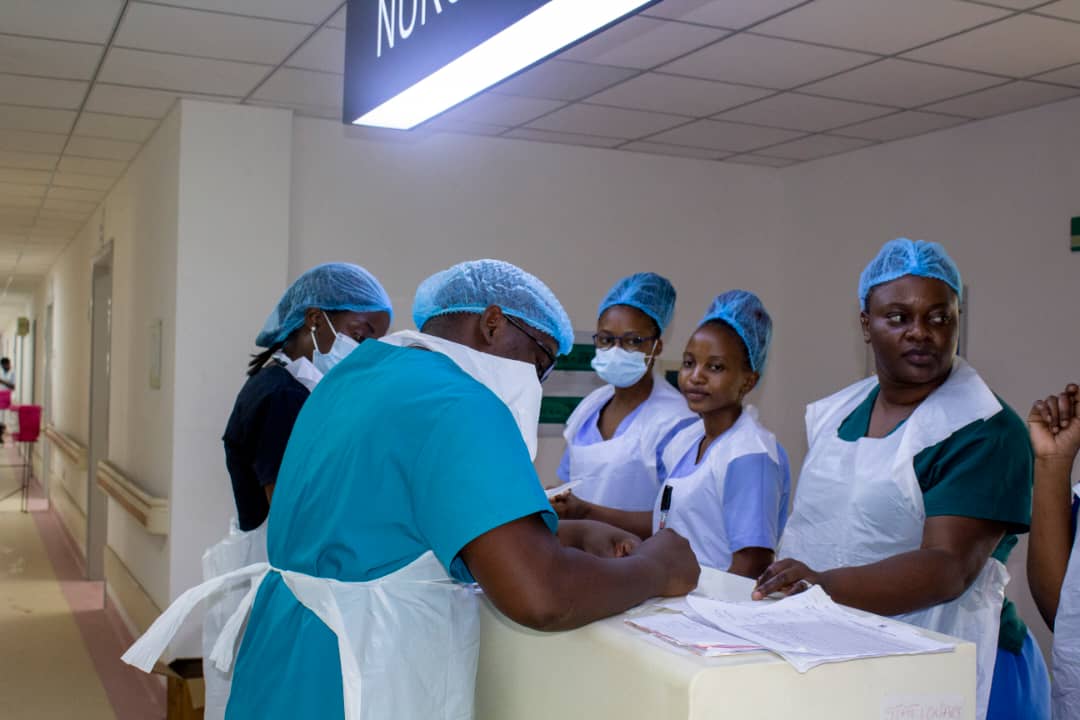
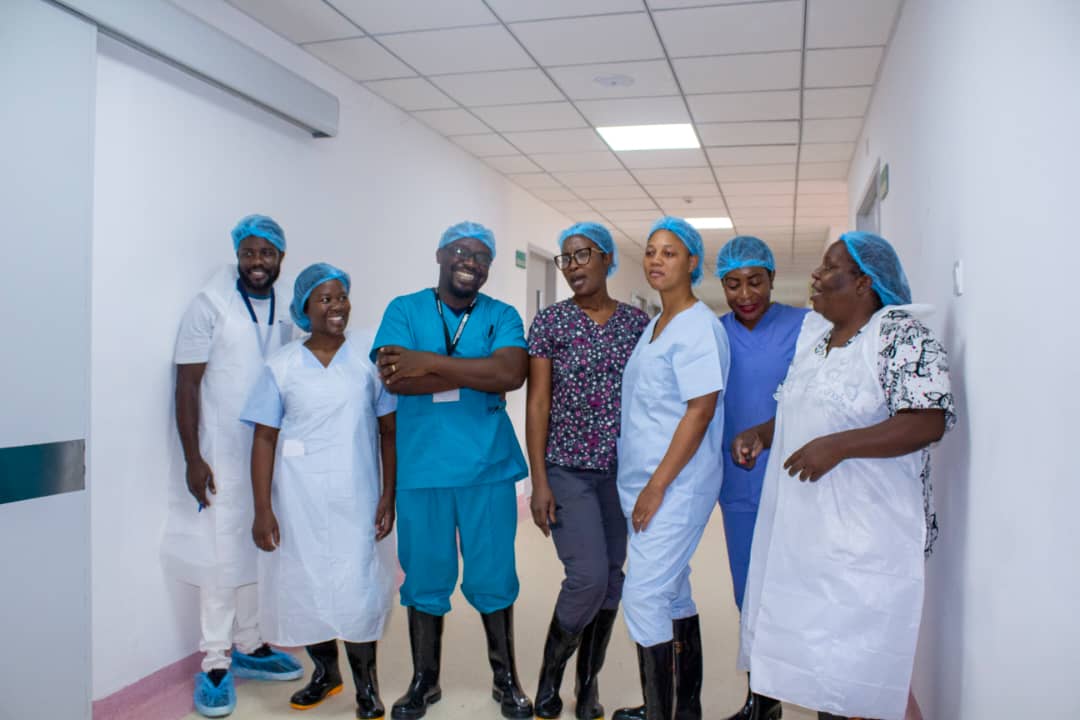
With daily escalating cases of Cholera, Levy   Mwanawasa UTH with support from the Ministry of Health has put in place a very dedicated team of Doctors, Nurses, pharmacists, Environmental health officers, Nutritionists and Administrative support staff who are effectively managing patients and running the Cholera Treatment Center.

We therefore appeals to the general public to;

  1. Boil drinking water or add chlorine.
  2. Do not eat uncooked food.
  3. Cover all your food.
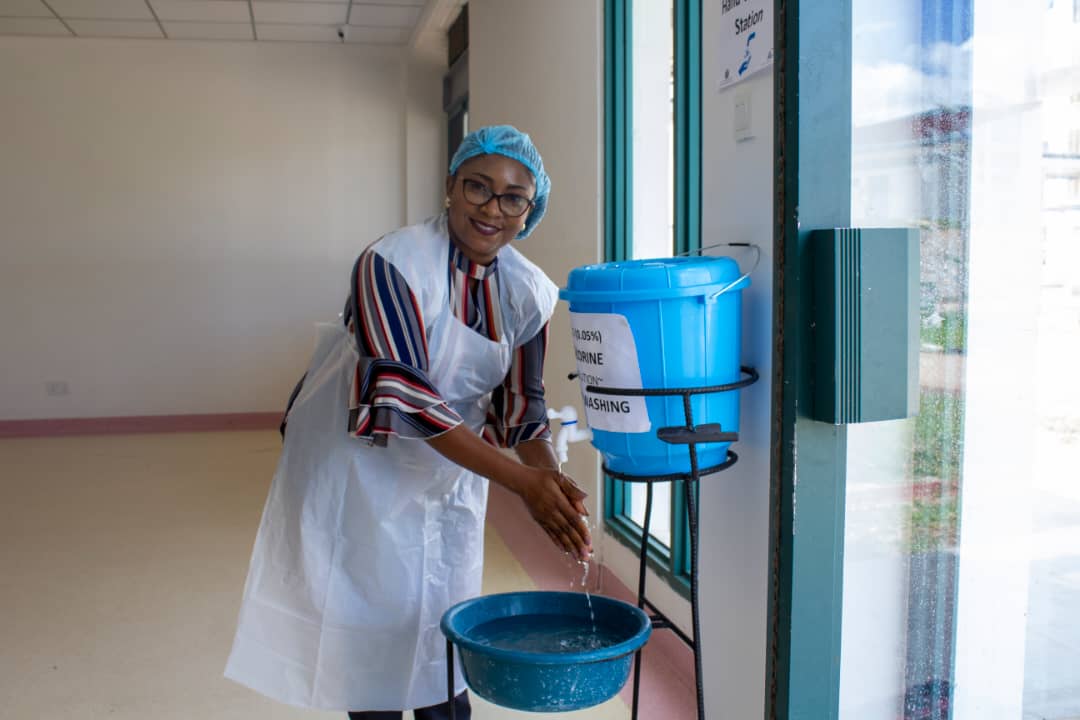
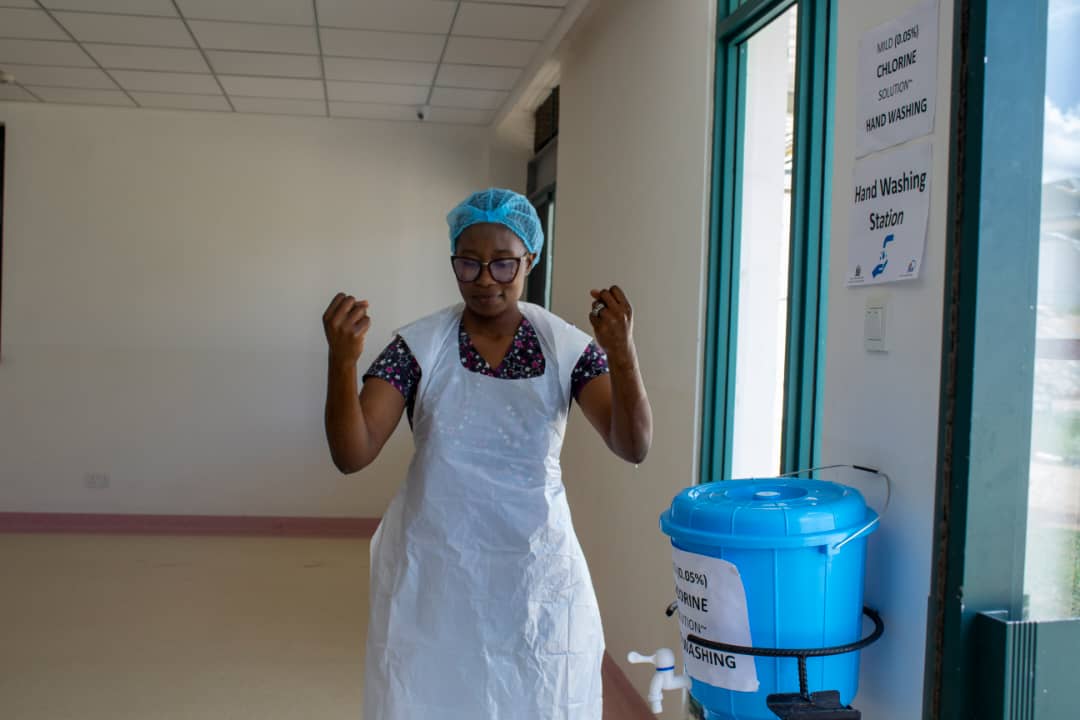
  4. Wash your hands with clean water and Soap
  5. Avoid buying street food.
  6. Avoid handshakes
  7. Keep your surrounding clean and maintain hygiene.
  8. Seek medical assistance as early as possible
  9. End the stigma against Cholera

Photo Gallery

KNOW MORE ABOUT YOUR KIDNEY

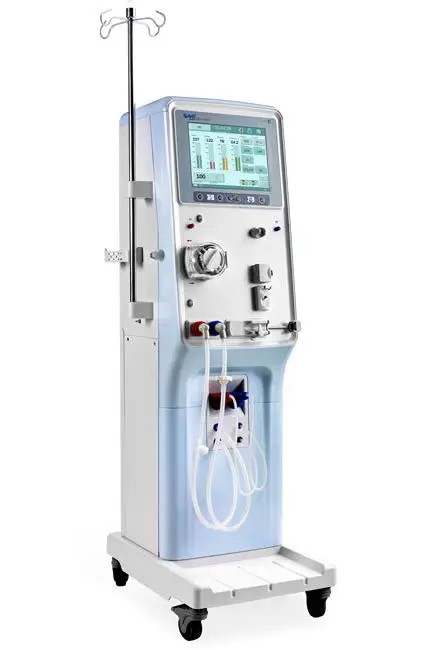
The Government of the Republic of Zambia through the Ministry of Health in Zambia has increased the number of Dialysis units from one unit at the University Teaching Hospital in 2009 to more than 15 units in public hospitals across the 10 provinces as of 2023. These units have been supported with Equipment and consumables in order for them to fully function. These units have been providing quality healthcare services in a safe, efficient and professional manner. These units offer support to patients requiring assistance when their kidneys fail. 

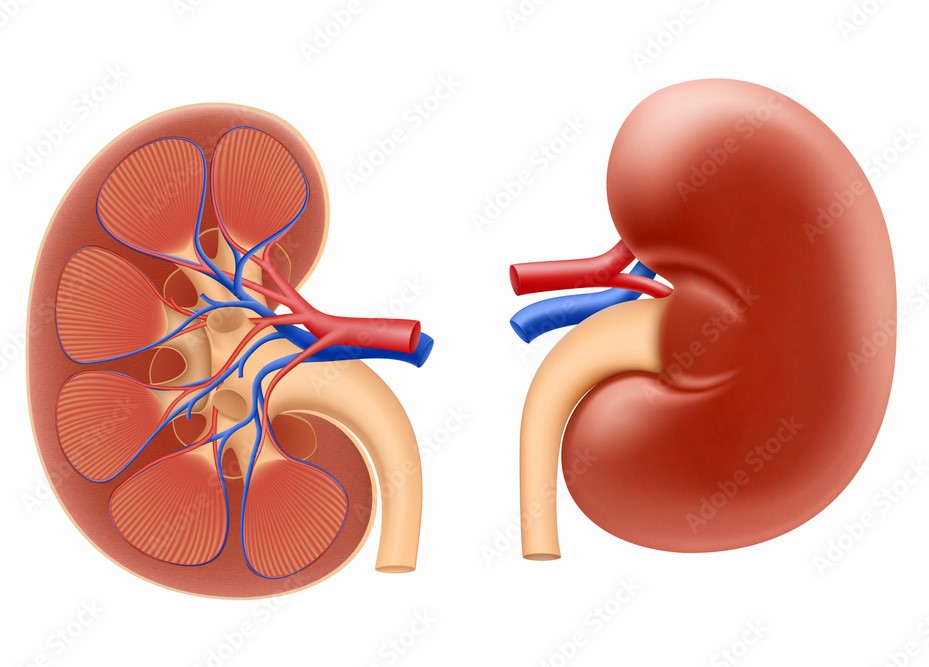
Kidneys are a vital organ of the human body.

FUNCTIONS OF THE KIDNEYS


  1. Kidneys get rid of toxic substances from the body
  2. Kidneys have a role in the produce a substance (a hormone called erythropoietin) that plays a big role in the production of red blood cells which are critical in carrying oxygen in our bodies
  3. They regulate fluid balance in the body
  4. They also play a role in the control Blood pressure


Injury to the kidney by any chance may lead to accumulation of body toxins and fluid, increased blood pressure, heart failure and patient may have anemia (Low hemoglobin due to reduction in red blood cell production). When the kidney therefore fails in its functions dialysis is prescribed as treatment. There are two types of dialysis usually prescribed to patients whose kidneys have lost most of their function. These are hemodialysis and peritoneal dialysis.


SIGNS AND SYMPTOMS OF ACUTE KIDNEY FAILURE  MAY INCLUDE:-

  1. Decreased urine output, although occasionally urine output remains normal
  2. Fluid retention, causing swelling in your legs, ankles or feet
  3. Shortness of breath
  4. Fatigue
  5. Confusion
  6. Nausea
  7. Body Weakness
  8. Irregular heartbeat
  9. Seizures or coma in severe cases
  10. If chronic, patient may have anaemia and may also experience bone pain and their bones can fracture easily


HOW TO TAKE CARE OF THE KIDNEY

  1. Keep active and fit.
  2. If diabetic, ensure that your blood sugar is well managed.
  3. Monitor blood pressure and if hypertensive, ensure your blood pressure is well controlled.
  4. Monitor your weight and eat healthy.
  5. Ensure you hydrate adequately.
  6. Lifestyle adjustments are necessary and these will include adjusting social activities such as smoking and alcohol intake.
  7. Reduce self-medication as some drugs which people commonly take can injure the kidneys.
  8. Have your kidney function tests done at least once a year as you do your annual medical checkup.

Photo Gallery

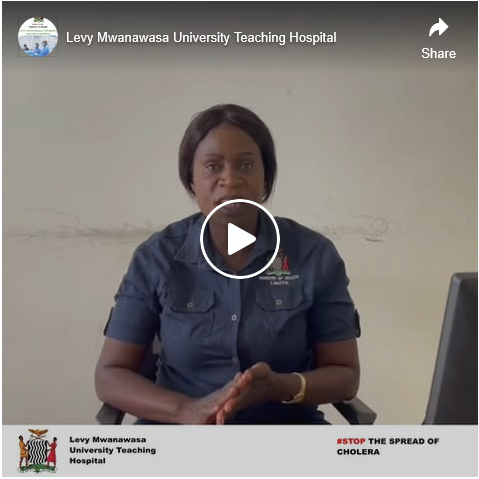
Stop the spread of cholera

Cleanliness and hygiene are not matters of instinct; they are matters of education, and like most great things, you must cultivate a taste for them.